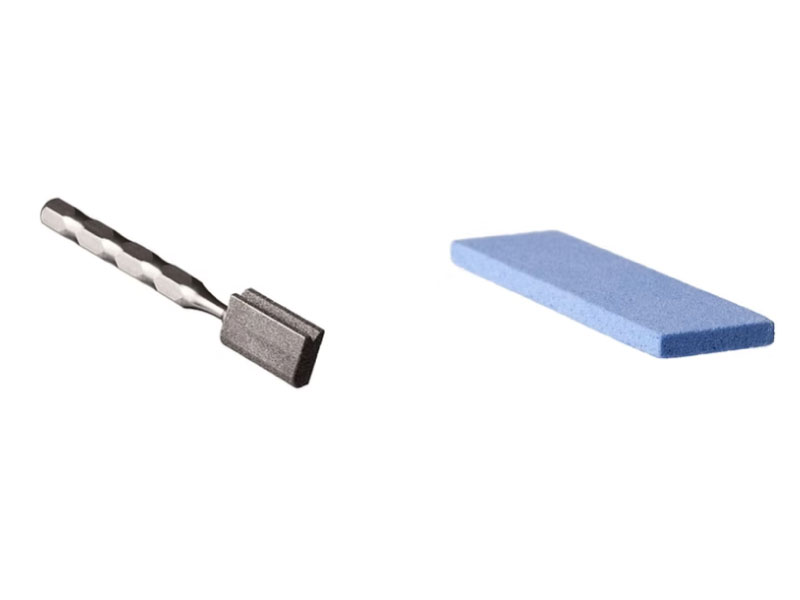
Precision diamond dressing tools for conditioning grinding wheels and maintaining instrument geometry. Single-point and cluster types ensure grinding wheels remain true, balanced, and cutting efficiently throughout their working life.
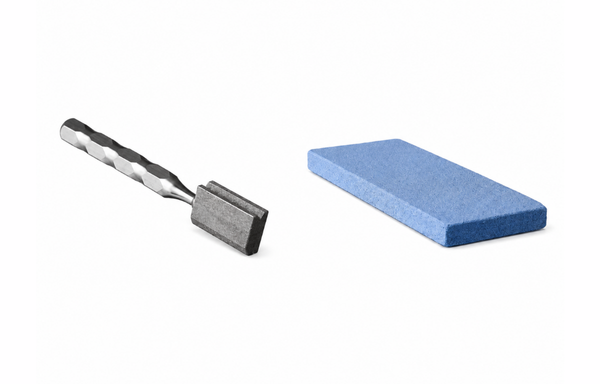
Grinding wheel performance deteriorates over time as the abrasive surface becomes loaded with material debris, the wheel loses its true running geometry through uneven wear, and glazing reduces cutting efficiency. Wagner Precision Diamond Dressing Tools restore all three parameters in a single controlled dressing pass: the hard diamond tip fractures and removes the glazed outer layer, re-exposing sharp abrasive, and the controlled contact restores the wheel to a true, balanced running surface.
| Parameter | Specification |
|---|---|
| Tool Types | Single-point diamond, multi-point cluster |
| Compatible Wheel Types | Aluminum oxide (Al2O3), silicon carbide (SiC), CBN |
| Applications | Bench grinder dressing, wheel truing, surface grinder conditioning |
| Diamond Quality | Industrial-grade natural or synthetic diamond |
| Handle | Steel shank, standard dressing tool dimensions |
Regular wheel dressing is a maintenance discipline that pays dividends in consistent grinding quality, reduced heat generation, and extended wheel service life.
Restore cutting efficiency and true running geometry to bench grinder wheels used for instrument sharpening, metal grinding, and general laboratory preparation work.
A wheel that has developed an out-of-round or uneven surface produces vibration, inconsistent cuts, and accelerated instrument wear. Diamond dressing restores the wheel to its true, balanced running geometry.
Wheels used on soft materials (acrylic, softer alloys) can glaze quickly. A light dressing pass removes the glazed layer and re-exposes the underlying abrasive.
Specialty grinding profiles (concave, convex, angled) used for specific instrument geometries can be maintained or re-formed using single-point diamond dressers.